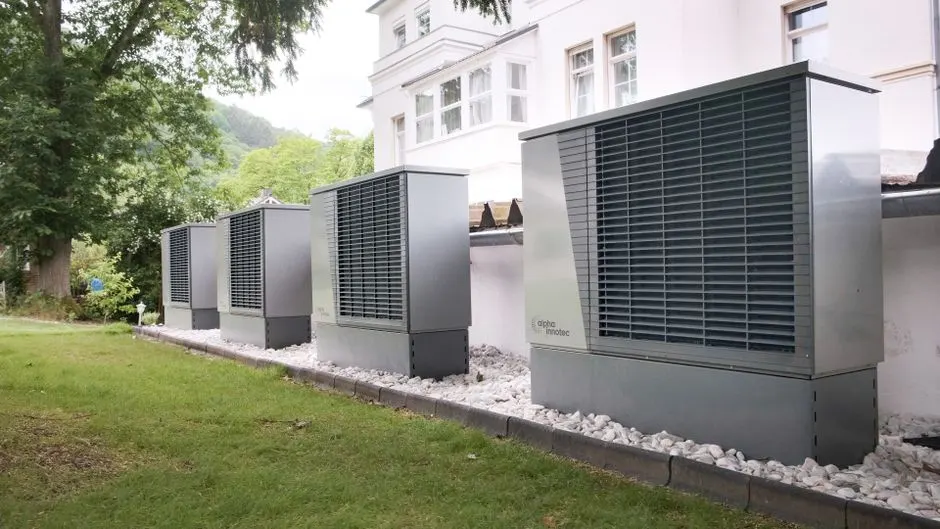
A heat pump that won't turn on in winter is usually dealing with one of five things: a thermostat calling for the wrong mode, a tripped breaker or float switch, a failed defrost board, low refrigerant, or a reversing valve stuck in cooling. In Orlando, where winter overnight lows drop into the 40s and occasionally the 30s, the most common culprit we see is a thermostat still set to Cool or a defrost cycle that never completes. The good news is that most of these are diagnosable in under an hour, and none of them mean you need a new system.
Below we walk through each cause in the order we check them on a service call, what you can safely test yourself, and what heat pump repair in Orlando costs in 2026.
Why won't my heat pump turn on in Orlando winter?
Why won't my heat pump turn on in Orlando winter comes down to one of two categories: the system isn't getting the call to run, or it's getting the call and refusing to start. Orlando's mild winters are actually harder on heat pumps than a Chicago January, because the unit switches between heating and defrost cycles far more often. Every defrost cycle reverses the refrigerant flow, and every reversal stresses the reversing valve, defrost board, and contactor. A heat pump that runs 40 short cycles a week in January wears those parts faster than one running steady in a colder climate.
Heat pump won't turn on Orlando is a service category that covers a specific set of failures. The unit is outside, the thermostat is inside, and the two have to agree on what season it is. When they don't, you get a system that hums, clicks, or sits completely silent while your house cools down.
Thermostat problems that stop a heat pump cold
A heat pump thermostat problem in Orlando is the single most common reason a system won't start, and it's also the cheapest to fix. Before you call anyone, check three things on the thermostat: mode, setpoint, and batteries.
- Mode: If it's set to Cool or Auto and the house is 68°F, the system will run the AC, not the heat. Switch to Heat and wait five minutes.
- Setpoint: Raise the target 3-4°F above room temperature. A heat pump won't stage on if the gap is under 2°F.
- Batteries: Most WiFi thermostats die quietly. If the screen is dim or blank, replace the batteries before anything else.
If the thermostat is a smart model installed in the last few years, check the app for an error code. Nest and Ecobee units will flag an "aux heat" lockout or a "no power to Rc" fault that tells you the problem is at the air handler, not the thermostat itself. If you've been meaning to upgrade an old mercury or early digital unit, thermostat installation Orlando FL runs $180-$420 in 2026 depending on whether you go basic programmable or full WiFi with a C-wire pull.
Power, breaker, and disconnect issues
Power problems account for roughly one in five no-heat calls we run in Orlando, and they're the easiest to rule out. A heat pump pulls power from two places: the outdoor unit and the indoor air handler. Both have their own breaker in the main panel, and the outdoor unit usually has a pull-disconnect box mounted on the wall next to it.
Here's the check, in order:
- Open the main panel and look for a tripped breaker labeled "HP," "Heat Pump," or "Outdoor Unit." Reset it once. If it trips again immediately, stop and call us.
- Pull the disconnect handle at the outdoor unit, inspect the cartridge fuses inside, and reseat it. Blown fuses here usually mean a short in the contactor or wiring.
- Check the air handler breaker. If the indoor unit has no power, the outdoor unit won't run either, because the thermostat signal routes through it.
- Look for a float switch on the air handler drain pan. A clogged condensate line trips the switch and shuts the whole system down, even in heating mode.
If you've reset everything and the system is still dead, the problem is downstream. That's when you want a technician on site rather than a second round of breaker flipping.
Defrost board and reversing valve failures
Defrost board and reversing valve failures are the two heat-pump-specific problems that don't exist on a straight AC system, and they're what we find most often on units older than eight years in Central Florida. The defrost board runs a timed cycle every 30, 60, or 90 minutes depending on the model. It reverses the system briefly to melt frost off the outdoor coil, then switches back to heating.
When the board fails, one of three things happens:
- The unit stays in defrost and blows cold air inside for 10-15 minutes at a time.
- The unit never enters defrost, frost builds up on the coil, and the system locks out on high pressure.
- The board dies completely and the outdoor unit won't start at all.
The reversing valve is the mechanical part that actually changes refrigerant direction. When it sticks, you'll hear the compressor running but feel cool air from the vents. A stuck reversing valve on a system under 10 years old is usually worth replacing. On a 15-year-old unit, we'll walk you through whether heat pump repair Orlando or replacement makes more sense for your budget.
Low refrigerant and outdoor coil problems
Low refrigerant and a dirty outdoor coil both cause the same symptom: the system runs, but the house never warms up, and eventually the unit shuts off on a safety switch. A heat pump in heating mode absorbs heat from the outdoor air, which means a coil caked in pollen, grass clippings, or dryer lint can't pull enough heat to satisfy the thermostat.
Orlando is hard on outdoor coils. Between oak pollen in February and March, lawn crews running year-round, and the humidity that keeps everything damp, an outdoor coil can lose 20-30% of its heat-transfer capacity in a single season. We hose ours off every spring and fall. If you haven't looked at yours since summer, that's the first thing to check.
Refrigerant leaks are a different problem. A system that's low on charge will frost up on the outdoor coil in heating mode, then trip the low-pressure switch. Refrigerant doesn't get "used up" - if it's low, there's a leak. We pressure-test the line set, find the leak, repair it, and recharge. Typical 2026 pricing for a leak search and recharge in Orlando runs $350-$750 depending on how hard the leak is to reach.
What are common causes of heat pump failure in Orlando?
Common causes of heat pump failure in Orlando break down into three buckets: electrical, mechanical, and refrigerant. Electrical failures include tripped breakers, blown disconnect fuses, failed contactors, and burned thermostat wires. Mechanical failures include stuck reversing valves, seized compressor bearings, failed defrost boards, and blower motor bearings. Refrigerant failures include leaks at the Schrader valves, coil pinholes from corrosion, and line-set rub-throughs where the copper touches the wall.
We see a fourth category in Orlando that doesn't show up as often in colder markets: oversized systems short-cycling. A 4-ton heat pump on a 1,800-square-foot house will satisfy the thermostat in four minutes, then sit off for twenty. That on-off pattern kills contactors and defrost boards faster than steady runtime. If your system has always run in short bursts, that's worth a load calculation.
Age matters too. Heat pumps in Central Florida typically last 12-15 years. Once a unit crosses year 10, we start seeing two or three of these failures stack up in the same season, and that's usually the signal to replace rather than repair.
Common mistakes homeowners make
The mistakes we see most often on heat pump calls in Orlando are the ones that turn a $200 repair into a $900 one. Here's what to avoid.
- Running the system in emergency heat for weeks. Aux heat strips pull 10-15 kW. Running them as your primary heat source for a month can add $150-$300 to your Duke Energy bill.
- Resetting the breaker more than twice. A breaker that trips three times is telling you something is shorted. Keep resetting it and you risk the compressor.
- Ignoring a stuck defrost cycle. A unit that stays in defrost for 15 minutes at a time is one cold snap away from a locked-out system.
- Adding refrigerant without finding the leak. A recharge without a leak repair is a temporary fix that costs you the same money again next winter.
- Covering the outdoor unit for winter. Heat pumps run year-round. A cover traps moisture and rusts the coil and fan motor.
If you're not sure whether your system is short-cycling or just doing normal heat pump behavior, a maintenance visit will tell you. Our AC maintenance Orlando FL tune-up includes a full heat-mode check, defrost cycle test, and refrigerant pressure reading.
When to call a professional
Call a professional when the breaker trips twice, when the outdoor unit hums but the fan doesn't spin, when you smell burning at the air handler, or when the system runs but never warms the house. Those four symptoms point to compressor, capacitor, blower motor, or refrigerant problems that need gauges and a multimeter, not a homeowner's toolkit.
We handle heat pump diagnostics across Orlando, from Winter Park HVAC calls on 1950s bungalows with original ductwork to newer builds out near Lake Nona. Our technicians carry defrost boards, contactors, capacitors, and reversing valves on the truck, so most repairs are done in a single visit. If you're not sure whether your system is worth repairing, we'll give you a straight answer and a written price before we start.
Frequently Asked Questions
Why won't my heat pump turn on in Orlando winter?
The most common reasons are a thermostat set to Cool or Auto, a tripped breaker, a float switch on a clogged drain line, or a failed defrost board. In Orlando's mild winters, short-cycling and defrost faults are more common than in colder markets. Start with the thermostat, then the breaker.
What are common causes of heat pump failure in Orlando?
Electrical failures (breakers, contactors, capacitors), mechanical failures (reversing valves, defrost boards, blower motors), and refrigerant leaks top the list. Oversized systems that short-cycle and units past 12 years old account for most repeat calls. Pollen and humidity also foul outdoor coils faster here than in drier climates.
How do I reset my heat pump in Orlando FL?
Turn the thermostat to Off, then flip the indoor air handler breaker off for 30 seconds and back on. Do the same for the outdoor unit breaker. Wait five minutes, then set the thermostat to Heat and raise the setpoint 3°F. If it doesn't start, the issue is mechanical or refrigerant-related.
Should I call an HVAC pro if my heat pump won't turn on in Orlando?
Yes, if the breaker trips twice, the outdoor fan doesn't spin, you smell burning, or the system runs without heating. Those point to compressor, capacitor, blower, or refrigerant faults. Thermostat and breaker resets are safe to try first. Anything past that needs gauges and a meter.
How much does heat pump repair cost in Orlando?
Typical 2026 pricing in Orlando runs $180-$450 for capacitors, contactors, and thermostats, $400-$900 for defrost boards and reversing valves, and $350-$750 for a leak search and recharge. Compressor replacement runs $1,400-$2,600. Diagnostic fees usually run $79-$129 and are credited toward the repair.
Get help with HVAC in Orlando
If your heat pump won't turn on and the thermostat and breaker checks didn't fix it, we can be at your door today. We service every major brand and carry the parts that fail most often in Orlando winters.
Call 689 315 0679 to schedule a heat pump diagnostic. We'll tell you what's wrong, what it costs, and whether it's worth fixing before we touch a wrench.