Orlando HVAC Air Conditioning
Get Estimate

AC installation Orlando FL built for Florida heat

New systems, honest quotes, code-correct installs


When your old unit quits in July, you do not want a sales pitch. You want cold air. Our team handles AC installation Orlando FL homeowners can count on, from load calculations to the final refrigerant charge. Whether you need a full air conditioner replacement Orlando or a first-time central AC install Orlando, we size it, pull the permit, and test every line before we leave.

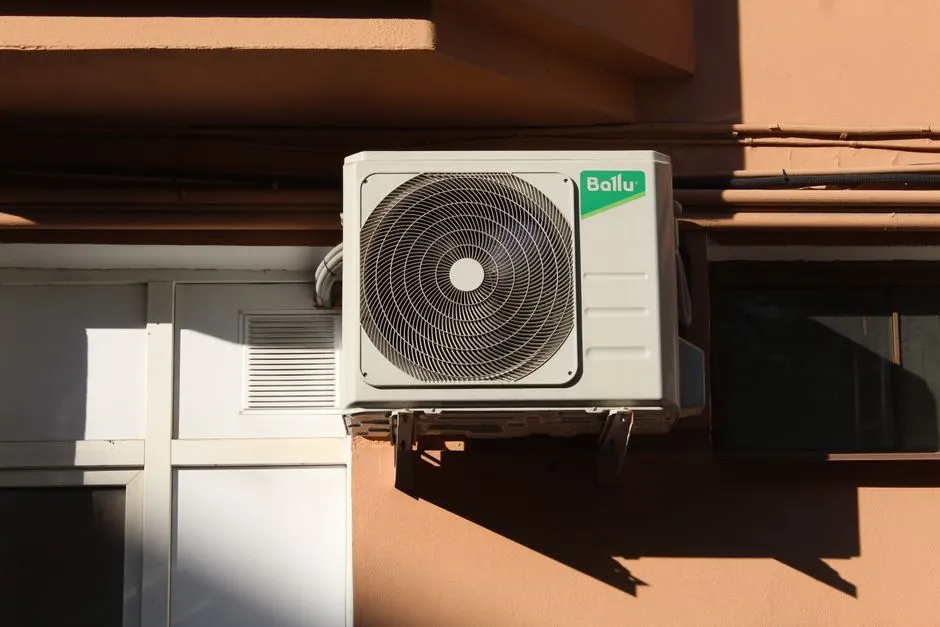
Air conditioner unit mounted outdoors on a building wall, showcasing modern HVAC technology.
Licensed Licensed & Bonded
Fully Insured Insured & Bonded
24/7 Emergency Same-Day Response
Warranty Backed 44+ Years Trusted in Orlando

What is included in a replacement

Every replacement we do includes the core work below. Add-ons like new ductwork, a whole-home dehumidifier, or a smart thermostat are quoted separately so you can see exactly what you are paying for. Nothing gets buried in a lump sum.

Manual J load calculation

We measure windows, insulation, ceiling height, and orientation, then run the numbers. This is the single most important step in the whole job. Get it wrong and you either pay too much up front or live in a house that never quite cools.

New line set and drain

We run a fresh copper line set sized to the equipment, not the old one. A new PVC drain line with a float switch goes in on every install. Old drains and undersized line sets are two of the most common causes of repeat service calls.

Deep vacuum and weighed charge

We pull a vacuum to 500 microns and hold it before opening the valves. Refrigerant is weighed in on a scale, then verified with superheat and subcooling readings. This is how you get a system that runs at rated efficiency instead of 80 percent of it.

Permit and inspection

We pull the mechanical permit and meet the inspector on site. You get a closed permit and a documented install. This matters at resale, at warranty time, and if your insurance ever asks questions about the work.

Thermostat setup and walkthrough

We wire and configure your thermostat, set schedules, and show you the fan and humidity settings that matter in Florida. Then we walk the job with you, explain the warranty, and answer questions before we pack up.

What AC installation Orlando FL really involves


AC installation Orlando FL is the removal of your old cooling equipment and the design, supply, and commissioning of a new system that matches your home's actual load. That means a Manual J heat-load calculation, not a guess based on square footage. We measure duct static pressure, check return-air sizing, run a copper line set, braze and pressure-test it, pull a deep vacuum with a vacuum pump, then weigh in R-410A refrigerant on a scale. Only after the numbers hold do we hand you the thermostat.

Orlando homes take a beating. Attic temps push past 140 degrees in August, and a system that was marginal in March will fail by June. If your unit is 12 to 15 years old, runs R-22, or has had two compressor failures, replacement usually beats another repair. We see this constantly in 32804 and 32805, where older block homes still have undersized returns. If you are weighing a replace old AC unit in Orlando Florida decision, we will show you the math before you spend a dollar.

How our install day runs

Most residential replacements take one day, start to finish. Here is exactly what you will see from the moment we pull into your driveway to the moment the house is cold again.

01

Schedule

Call or book online — a real human picks up and confirms a 2-hour arrival window.

02

Diagnose

Licensed tech inspects on-site, then walks you through the cause and your options.

03

Fix

The job is completed to code and done right the first time — no shortcuts, no surprises.

04

Guarantee

Every job backed by a written workmanship warranty — and we stand behind it.

Tools and methods we use

Tools & Equipment

Manifold gauges and refrigerant scale

We use digital manifold gauges to read superheat and subcooling, and a refrigerant scale to weigh in the exact charge. Guessing by pressure alone is how systems end up 15 percent undercharged.

Vacuum pump and micron gauge

We pull a deep vacuum to 500 microns and hold it before charging. Moisture left in a line set turns to acid and kills compressors. The micron gauge is how we prove the system is dry.

Recovery machine

EPA Section 608 requires us to recover refrigerant from the old system instead of venting it. We recover, weigh, and document every pound before the old equipment comes out.

Leak detector and nitrogen regulator

We pressure-test new line sets with dry nitrogen and use an electronic leak detector on every joint. A leak we find on install day is a leak you never pay to chase later.

Clamp meter and multimeter

We verify amp draw on the compressor and blower motor, check capacitor microfarads, and confirm control voltage. This catches problems that would otherwise show up as a callback in three weeks.

Tube cutter, flaring tool, and swaging tool

Clean copper work matters. We cut, flare, and swage every joint by hand so the connections are square and the braze is clean. Sloppy copper is the leading cause of slow leaks.

Methods & Standards

ACCA Manual J load calculation

We size every system to the actual heat gain of your home, not a rule of thumb. Manual J accounts for window area, insulation R-value, ceiling height, and orientation. This is the standard the industry uses, and it is the reason our installs hold setpoint instead of short-cycling.

Manual D duct design

Once we know the load, we check that the duct system can actually deliver the airflow. Undersized returns and crushed flex duct are common in Orlando attics. When we find them, we rebuild the affected runs so the new equipment gets the air it needs.

EPA Section 608 refrigerant handling

Every technician on our install crews holds a Section 608 Universal card. We recover, recycle, and charge refrigerant to EPA standards, and we document the amounts. It is the law, and it is also how you know the job was done right.

NATE-certified commissioning

After install, we verify superheat, subcooling, temperature split, and static pressure against the manufacturer's spec sheet. We record the readings and leave a copy with you. If anything is off, we adjust before we leave the driveway.

When Orlando homeowners replace

01

A 1990s home in Dr. Phillips with the original 12-SEER system still running.

What we do: We quote a 16-SEER2 two-stage system with a matched air handler and a new smart thermostat. We also pressure-test the ducts and seal what we find, since 1990s ductwork in this area is usually leaky at the plenums.

→ Cooling bills typically drop 30 to 40 percent, and the house holds setpoint through the hottest part of the afternoon instead of drifting up two degrees.

02

A Lake Nona new build where the builder-grade unit is undersized for a west-facing bonus room.

What we do: We run a room-by-room load calculation and either upsize the central system or add a ductless mini-split for the bonus room. We show you both options with pricing before you decide.

→ The bonus room stays within one degree of the rest of the house, and the main system stops running 20 hours a day trying to compensate.

03

A Winter Park bungalow with a window unit and no central air.

What we do: We design a full central system from scratch, including new ductwork routed through the attic, a new return, and a code-correct disconnect. We pull the permit and coordinate the inspection.

→ The whole house cools evenly for the first time, and the window units come out. Resale value on the home goes up, and the install is fully permitted.

04

A rental property in 32805 where the tenant has filed two no-cool complaints in one summer.

What we do: We inspect the system, document the failures, and quote a replacement with a 10-year parts warranty. We schedule the install around the tenant so they are not displaced.

→ The tenant stays, the emergency calls stop, and the owner gets a documented, permitted install that holds up at tax time and resale.

How installs run in Orlando specifically

Orlando is not Miami and it is not Atlanta. Our summers run 95 to 98 degrees with dew points in the mid-70s, and the attic where your air handler sits can hit 145 degrees by 2 p.m. That combination drives two things: systems need to be sized for latent load, not just temperature, and equipment has to be rated for high-ambient operation. We install R-410A and R-32 equipment that meets that spec. Building stock matters too. In older neighborhoods like College Park and 32804, we regularly find 1950s block homes with undersized returns and single-pane glass. In Lake Nona and Baldwin Park, newer tight construction traps humidity, so we often add a whole-home dehumidifier or set the blower to a lower speed for better moisture removal. Florida Building Code requires a secondary drain pan with a float switch on attic installs, and we install one every time. If you are comparing an energy efficient AC installation Orlando options, ask any contractor for the Manual J and the commissioning readings. If they cannot produce them, keep calling.

Neighborhoods We Serve

  • College Park

    Older block homes with original ductwork and small returns. We often rebuild the return plenum during replacement so the new system can actually breathe.

  • Lake Nona

    Newer tight construction with low infiltration. Humidity control matters more than raw tonnage here, so we lean toward variable-speed equipment and dehumidification.

  • Downtown Orlando

    Condos and mid-rises with rooftop or closet-mounted equipment. Crane scheduling and HOA approval add a day or two to the timeline.

  • Winter Park

    Mix of historic bungalows and newer builds. Historic homes often need custom duct routing through attics with limited clearance.

  • Dr. Phillips

    1990s and 2000s construction with original 10 to 12-SEER systems. Most of these are ready for a 16-SEER2 replacement with duct sealing.

Local Conditions We Plan For

  • Attic temperatures above 140 degrees in summer

    Equipment and line sets have to be rated for high-ambient operation, and installers work early mornings to avoid the worst heat. We schedule most attic work before 11 a.m.

  • High humidity year-round

    Systems need proper latent capacity and correct blower speed. Oversized equipment short-cycles and leaves the house clammy, which is why we never skip the load calculation.

  • Hurricane season from June through November

    We anchor condensers to pads and secure line sets so storm winds do not shift equipment. After a storm, we prioritize no-cool calls for customers without power-restored systems.

  • Orange County mechanical permit requirements

    Every replacement needs a permit and inspection. We handle the paperwork and meet the inspector, so you are not chasing the county for a sign-off.

College Park bungalow, 12-SEER to 16-SEER2

Before

A 1958 block home with the original 12-SEER system, a crushed return duct, and a clogged drain that had already stained the hallway ceiling. Summer bills ran $310 a month and the house sat at 80 degrees by 4 p.m.

After

We installed a 3-ton 16-SEER2 two-stage system, rebuilt the return plenum, ran a new PVC drain with a float switch, and sealed the supply plenums. First full summer bill came in at $205, and the house held 74 degrees all afternoon.

Maintenance: We set them on a twice-a-year tune-up plan. Coil cleaning in spring and a drain flush in fall keep the system at rated efficiency and prevent another ceiling stain.

Before

A 2019 home with a builder-grade 3-ton single-stage unit that could not keep the west-facing bonus room within four degrees of the rest of the house. The owner was running a portable AC unit in the room all summer.

After

We installed a 3.5-ton variable-speed heat pump with a matched air handler and added a whole-home dehumidifier. The bonus room now holds within one degree, and the portable unit went back to the garage.

Maintenance: Filter changes every 60 days, plus annual coil cleaning. The variable-speed compressor runs at low capacity most of the year, which cuts wear and keeps humidity in the 48 to 52 percent range.

Before

A 32801 rental with a 16-year-old rooftop unit that failed twice in one summer. The tenant had filed two no-cool complaints, and the owner was facing a possible lease break.

After

We replaced the rooftop unit with a 15-SEER2 packaged system, pulled the permit, and coordinated the crane for a Tuesday morning. Tenant had cold air by 3 p.m. the same day, and no complaints since.

Maintenance: Quarterly filter service and an annual rooftop inspection. Rooftop units take more sun and rain than ground units, so we check the cabinet seals and drain pan every visit.

Problems a new system solves

Most Orlando homeowners call us because something has already gone wrong. Here are the four situations we see most often, and what a replacement actually fixes.

Problem

System runs all day and never hits setpoint

You are paying full power bills for a house that sits at 82 degrees. Compressor and capacitor wear accelerate, and the system fails faster the harder it works.

Our Fix

We run a load calculation and check duct static pressure. Often the old unit was undersized or the ducts are crushed. A correctly sized replacement with repaired ductwork brings the house to setpoint and holds it, usually within the first hour of startup.

Problem

Refrigerant leak that keeps coming back

Every recharge buys you a few weeks and costs $200 to $500. R-410A leaks also stress the compressor, and eventually the whole system quits mid-summer.

Our Fix

We leak-test with an electronic detector and pressure test. If the leak is in the evaporator coil or a line set buried in a wall, replacement is usually cheaper than chasing it. A new system comes with a fresh coil, new line set, and a manufacturer warranty.

Problem

Frozen evaporator coil and clogged drain

Ice on the coil blocks airflow, and the clogged drain line backs up into the pan and eventually the ceiling. Water damage repairs often cost more than the HVAC work.

Our Fix

We replace the coil, install a new PVC drain line with a float switch, and verify airflow across the new evaporator. The float switch shuts the system down if the drain ever clogs again, so you get a warning instead of a wet ceiling.

Problem

Compressor failure on a 15-year-old unit

A compressor swap runs $1,800 to $2,800 on an old system that is already near end of life. You spend the money and still have an inefficient unit with a short remaining lifespan.

Our Fix

We show you the repair cost side by side with a replacement quote. In most cases, a new system costs a bit more up front but delivers lower bills, a full warranty, and 15 to 44 years of service instead of three or four.

Why Orlando homeowners replace now

Why Orlando homeowners replace now

A new system is not a luxury in Central Florida. It is the difference between a 78-degree house and a 92-degree house in July. Here is what a properly sized install actually gets you.

  • Lower monthly cooling bills

    A 16-SEER2 system replacing a 10-SEER unit typically cuts cooling costs 30 to 40 percent. On a $280 summer power bill, that is real money back every month. We size the equipment to your ductwork so you are not paying to cool air that never reaches the bedroom.

  • Fewer breakdowns, longer life

    New compressors, capacitors, and contactors mean fewer 2 a.m. no-cool calls. A correctly charged system with a clean evaporator coil and sealed ductwork routinely runs 15 to 20 years in Orlando. We register the manufacturer warranty the day we finish.

  • Better humidity control

    Florida humidity, not temperature, is what makes a house feel sticky. A properly matched air handler with the right blower speed pulls 3 to 5 gallons of moisture a day out of your air. That means you can set the thermostat at 76 and still sleep comfortably.

  • Cleaner air, quieter rooms

    New systems run 4 to 8 decibels quieter than a 15-year-old unit. We also seal duct leakage we find during install, which keeps attic insulation particles and dust out of your supply air. Most customers notice the noise drop the first night.

Licensed, certified, and reviewed

Licensed & Certified

  • Florida HVAC License (Class A) — issued by Florida Department of Business and Professional Regulation
  • EPA Section 608 Universal Certification — issued by U.S. Environmental Protection Agency
  • NATE Certification — issued by North American Technician Excellence
  • AHRI Certified Equipment Matching — issued by Air-Conditioning, Heating, and Refrigeration Institute
  • ACCA Standards Compliance — issued by Air Conditioning Contractors of America

Verified Reviews

Google ★★★★★4.9

Replaced our 15-year-old system in Baldwin Park. Crew was on time, pulled the permit, and walked us through the commissioning readings before they left. House cools better than it ever has and the power bill dropped about $80 a month.

Yelp ★★★★★4.8

Got three quotes and these guys were the only ones who ran a load calculation. Recommended a smaller system than the others and explained why. No upsell, no pressure, and the install was clean. Would use them again.

BBB ★★★★★4.9

Our AC died on a Friday in August. They had a crew out Saturday morning and a new system running by 4 p.m. Financing made it manageable. Honest pricing and no surprise charges at the end.

Google ★★★★★5.0

We manage rentals in the 32805 area and use them for every replacement. Permits pulled, inspections passed, tenants happy. They show up when they say they will, which is rare in this business.

What Orlando customers say

Real experiences from customers who chose our AC Installation & Replacement services.

“Our 14-year-old unit finally died in July. They came out the same day, ran a load calc, and quoted us three options without any pressure. Install crew showed up at 7:30 a.m. and had cold air by 4 p.m. They pulled the permit, replaced the drain line, and even sealed a leaky return they found in the attic. House has never cooled this evenly.”

M

Marcus R.

Homeowner, College Park

“We got four quotes and these guys were the only ones who actually measured the house instead of guessing by square footage. They recommended a 3-ton variable-speed heat pump instead of the 4-ton the other companies pushed. Our August power bill dropped about $70 compared to last year. Financing made it easy.”

P

Priya S.

Homeowner, Lake Nona

“I manage six rentals in the 32801 area and use them for every replacement. They pull permits, they show up when they say, and they do not leave until the temperature split is right. Last month they swapped a rooftop unit on a Tuesday and had the tenant cool by dinner. That reliability is worth a lot.”

D

Danny W.

Property Manager, Downtown Orlando

Frequently Asked Questions

Real answers to the questions we hear most often from local homeowners and property managers.

How much does AC installation cost in Orlando FL?
Most full system replacements in Orlando run $5,500 to $12,000 in 2026, installed and permitted. A basic 14.3-SEER2 single-stage system with a standard air handler sits at the low end. A variable-speed, high-efficiency heat pump with new ductwork and a smart thermostat lands at the top. Attic access, line-set length, and whether we need a crane for a rooftop unit all move the number. We give you a written range before any work starts.
How long does AC replacement take in Orlando?
A standard residential replacement takes one day, usually 6 to 9 hours on site. That covers removal, new line set, air handler, drain, vacuum, charge, and testing. If we are also replacing ductwork or adding a return, plan on two days. Commercial rooftop replacements and multi-zone heat pump systems can run two to four days depending on crane scheduling and permit inspections.
What size AC unit do I need for my Orlando home?
Size is set by a Manual J load calculation, not square footage alone. A 1,800-square-foot Orlando home with average insulation and west-facing windows typically lands between 3 and 3.5 tons. Vaulted ceilings, older single-pane glass, or a lot of afternoon sun can push that higher. Oversizing is worse than undersizing: it short-cycles, raises humidity, and wears the compressor out early. We run the numbers before we quote.
Do you offer financing for AC installation in Orlando?
Yes. We offer financing on qualifying systems with approved credit, including promotional terms and standard installment plans. Most customers use it to spread a $7,000 to $9,000 replacement over 24 to 60 months. We will walk you through the options during the quote so you can compare monthly payments against a lump sum. Ask us when we are out for the estimate.

Related Services

AC Repair

Not every failing system needs replacement. We diagnose refrigerant leaks, capacitor failures, and blower motor problems first, and we tell you honestly when a repair will get you another three to five years. Many of our install customers started as repair calls.

View AC Repair

Emergency AC Repair

When your system dies at 9 p.m. in August, we run 24/7 emergency calls across Orlando. If the compressor is gone and replacement is the only path, we can often get a temporary cooling solution in place while we order your new equipment.

View Emergency AC Repair

AC Maintenance & Tune-Ups

A new system lasts longer with twice-a-year maintenance. We clean coils, check refrigerant charge, test capacitors, and flush the drain line. Customers on our maintenance plan get priority scheduling and a documented service history that helps at warranty time.

View AC Maintenance & Tune-Ups

Heating Repair

Orlando gets cold snaps in January and February, and heat strips and gas furnaces fail when you need them most. We service both, and if you are replacing your AC, we can pair it with a matched heating system so both sides are covered under one warranty.

View Heating Repair

Heat Pump Services

Heat pumps are the most common replacement choice in Central Florida because they cool and heat from one unit. We install and service Carrier, Trane, Mitsubishi Electric, and Daikin heat pumps, including variable-speed inverter models that cut humidity and noise.

View Heat Pump Services

Ductless Mini-Splits

Additions, garages, and bonus rooms often cannot be reached by central ductwork. Ductless mini-splits from Mitsubishi Electric or LG give you zoned comfort without tearing up walls. We size and install single-zone and multi-zone systems.

View Ductless Mini-Splits

Get your AC installation Orlando FL quote today

We have been installing systems in Central Florida since 1982, and we stand behind every one. Call 689 315 0679 or request a quote online. Same-day written estimates, financing available, and a house that is cold again before the weekend.

Call 689 315 0679 Get a Free Quote

Contact Our Orlando HVAC Team

Call us any time, day or night, and a live dispatcher will schedule your visit. We run same-day appointments across Orlando and the surrounding communities, and we answer the phone 24/7 for emergencies. Reach us at 689 315 0679 or send an email and we will get back to you fast.

Or call us right now at 689 315 0679 — we answer.

Orlando HVAC Air Conditioning


  • Phone

    689 315 0679
  • Address

    6000 N Orange Blossom Trl, Orlando, FL 32808

  • Hours

    Mon–Fri: 7AM – 7PM
    Sat: 8AM – 4PM
    Sun: Emergency Only
    24/7 Emergency Available

Call 689 315 0679 Get Quote
Call Quote